


How to Plan Your First Visit to an Estate Winery
There’s a good chance you’ve imagined it before.
Rolling vineyards stretching across the hillsides, a beautiful glass of wine catching the afternoon light, and cooler mountain air moving through the vines while time somehow slows down for a little while.
And then reality kicks in.
What do you wear? Do you need a reservation? Are you supposed to know anything about wine beforehand? What if you accidentally say something ridiculous after smelling the glass for too long?
Here’s the good news: wine estates aren’t reserved for experts.
In fact, some of the best wine experiences happen when people arrive curious, relaxed, and open to discovering something new because the goal isn’t to impress anyone. The goal is simply to enjoy the experience.
At estates like Dynamis Estate Wines, the atmosphere is intentionally designed to feel welcoming, elevated, and immersive without becoming intimidating. You’re not expected to arrive as a sommelier because the experience is built around helping guests slow down, relax, and connect with the mountain through wine, hospitality, and conversation.
If you’re planning your very first wine estate visit, here’s how to make the most of it.
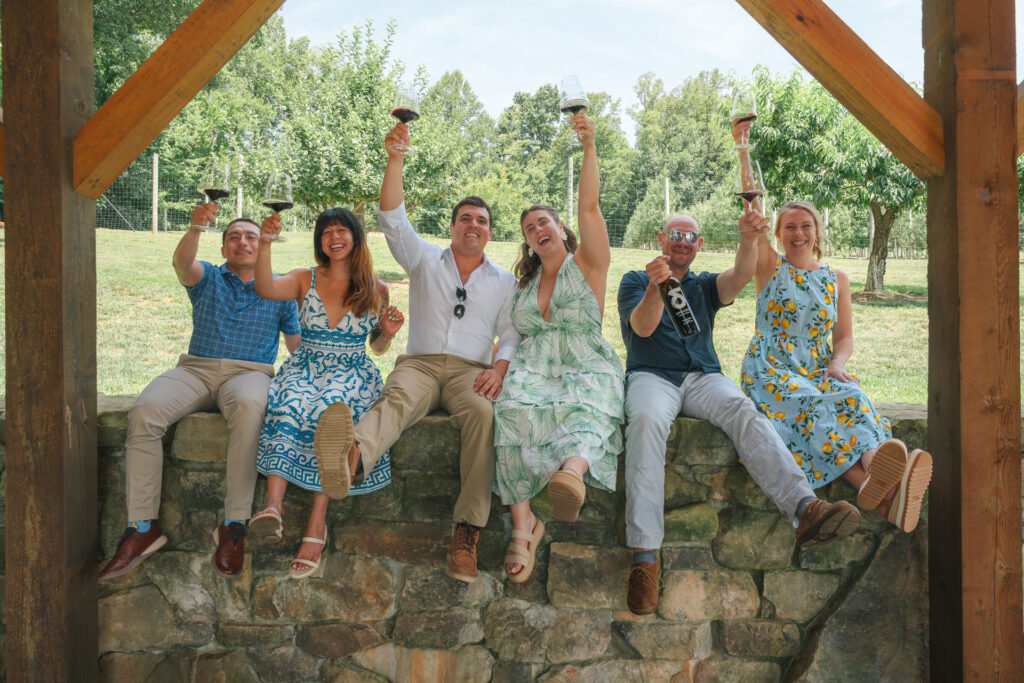
Make a Reservation Ahead of Time
One of the biggest misconceptions about wine estates is that you can always just walk in, but luxury estates often work differently because the experience is designed to feel more personal and intentional.
Reservations allow the team to prepare properly for your visit by creating better pacing, seating, staffing, and hospitality instead of overcrowded tasting rooms and rushed interactions. It also makes the experience much more enjoyable for guests because you’re not competing for space at a crowded bar or feeling hurried from one pour to the next.
Instead, you’re able to settle in, relax, and actually enjoy where you are.If possible, try booking earlier in the day or closer to sunset because mountain vineyards can feel completely different depending on the light and weather. Those transitions naturally become part of the experience itself, especially at higher elevations where the atmosphere shifts throughout the day.
Give Yourself Time to Enjoy the Experience
One mistake first-time visitors often make is trying to squeeze multiple wineries into a single afternoon, but wine estates aren’t really meant to feel rushed.
The best experiences happen when you allow yourself enough time to settle into the environment, walk the property, ask questions, and simply slow down long enough to notice the surroundings around you.
At a mountain estate especially, the landscape becomes part of the memory itself because the quiet feels different after the second glass, and conversations naturally begin slowing down alongside the pace of the vineyard.
The experience becomes much more immersive when you stop treating it like a checklist and start treating it like time intentionally set aside to enjoy where you are.
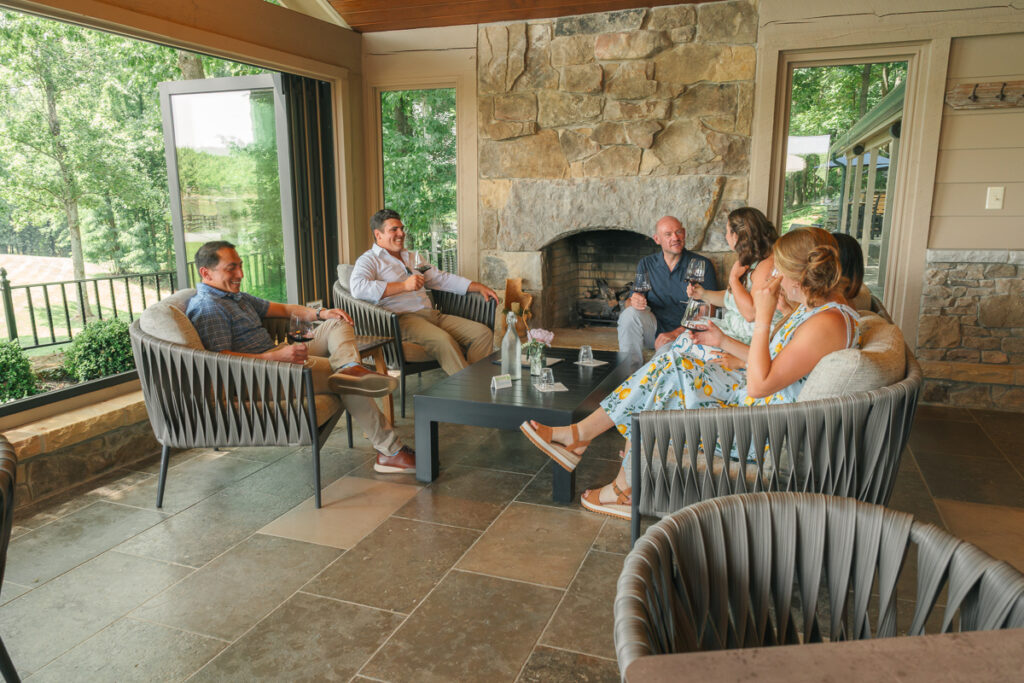
What Should You Wear?
This question comes up constantly, and thankfully the answer is much simpler than people expect.
Wear something comfortable that makes you feel confident.
Luxury wine estates usually lean elevated but relaxed, which means polished and effortless tends to work far better than overly formal. For mountain vineyards specifically, there are also a few practical things worth considering because the environment itself becomes part of the day.
Comfortable shoes matter more than people realize if you plan to walk the property, and layers are always helpful because temperatures can shift quickly at elevation, especially later in the afternoon. Sunglasses also tend to make daytime tastings far more enjoyable, while overly strong perfumes or colognes are usually best avoided since aroma plays such a major role in wine tasting.
And no, you absolutely do not need to dress like you’re attending a royal wedding in Napa.The goal is effortless comfort because the experience should feel natural rather than performative.
You Don’t Need to Know “Wine Language”
This may be the most important thing to remember before visiting a wine estate because nobody is grading you.
You don’t need to identify “subtle notes of graphite wrapped in restrained tension” to enjoy a wine. If you taste something and immediately think it reminds you of blackberries, dark chocolate, fresh herbs, coffee, or a meal you once loved, you’re already approaching wine the right way.
Wine conversations should feel personal rather than performative because the people guiding your tasting are there to help translate the experience, answer questions, and make wine approachable instead of intimidating.
The best tastings usually feel more like conversations than lectures because wine is ultimately about connection, curiosity, and enjoyment rather than memorization.
How Wine Tastings Actually Work
If you’ve never attended a tasting before, the process is usually far more relaxed than expected.
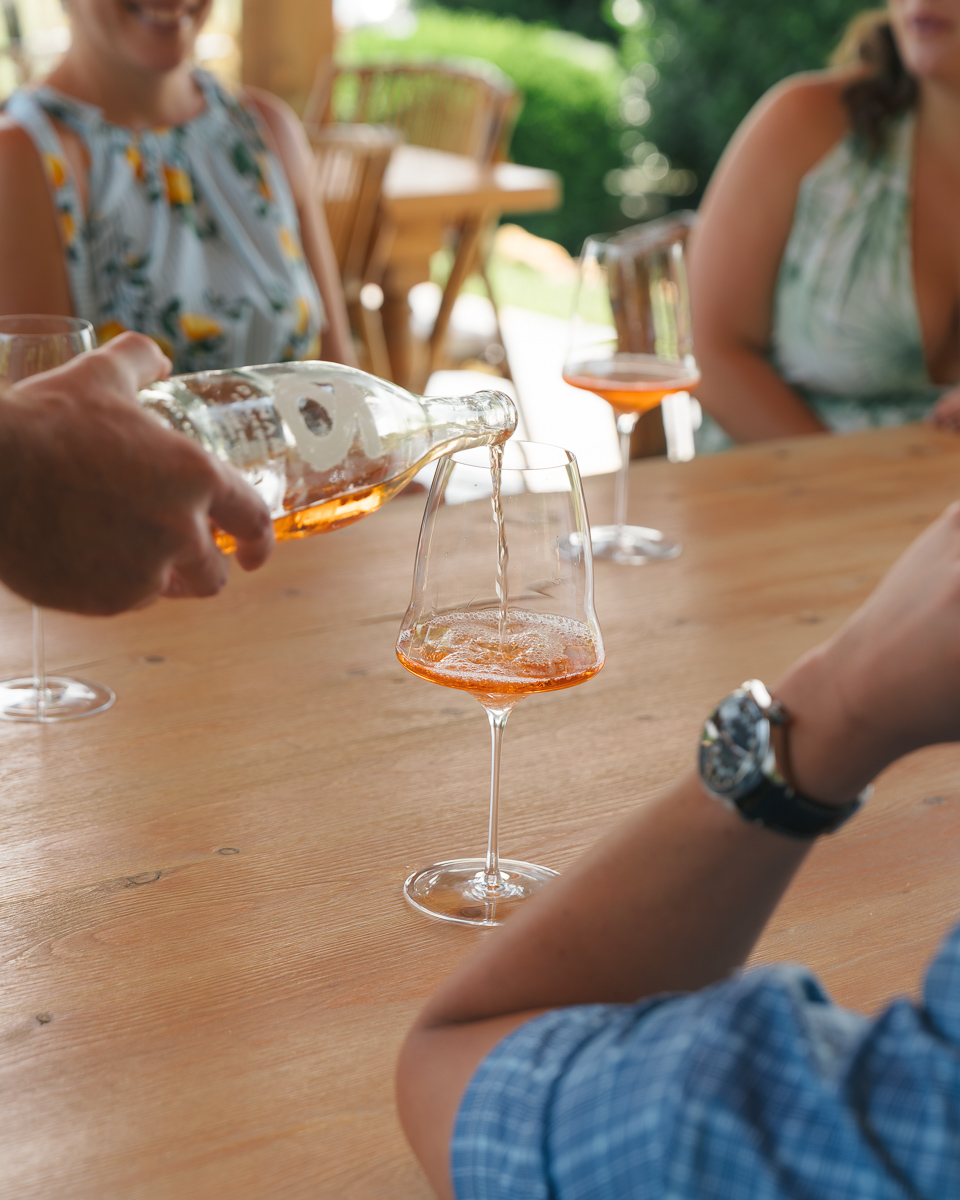
Typically, guests are guided through several wines one at a time, often moving gradually from lighter wines into fuller-bodied reds. Along the way, someone may explain where the grapes were grown, how elevation influences the vineyard, why certain wines were aged longer, how weather shaped the vintage, or what foods pair especially well with each wine.
You’ll probably discover wines you didn’t expect to enjoy, and that happens constantly during tastings.Many first-time visitors arrive convinced they only drink sweet wines or only enjoy reds, then suddenly find themselves completely fascinated by something entirely different. That discovery is part of what makes wine experiences so memorable because the experience opens the door to flavors, styles, and stories people weren’t expecting to connect with.
Ask Questions Throughout the Experience
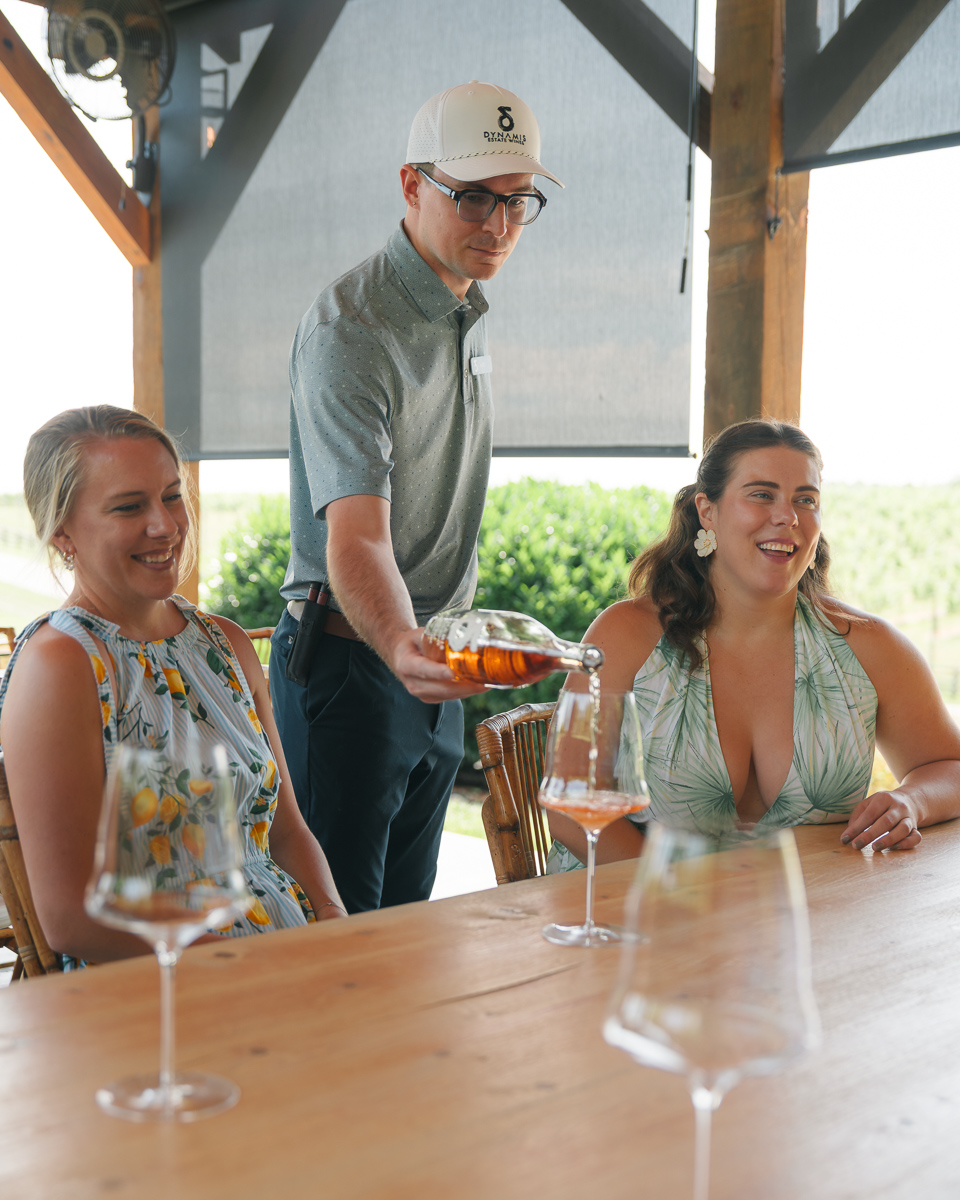
People working at wine estates genuinely love talking about wine, vineyards, harvest seasons, food pairings, aging, weather, and the strange unpredictability of farming, which means questions almost always lead to better experiences.
The more curious you are, the more personal the tasting tends to become.
Simple questions often create the best conversations, especially things like what wine the team is most excited about right now, why mountain elevation matters so much, which wine surprises visitors most often, or what foods pair especially well with certain wines.
Those conversations frequently become the moments people remember long after the tasting itself ends because they create a stronger connection not only to the wine, but also to the people and place behind it.
The Experience Is Bigger Than the Wine
The wine may be the centerpiece, but the experience itself is really about connection to the landscape, the craftsmanship, the hospitality, and the people behind the bottle.
At mountain estates especially, there’s a rhythm to the experience that feels noticeably different from everyday life because the air changes, the pace changes, and even conversations seem to slow down naturally.
That’s part of why people return. Not simply because they loved a particular vintage, but because they remember how the place itself made them feel while they were there.
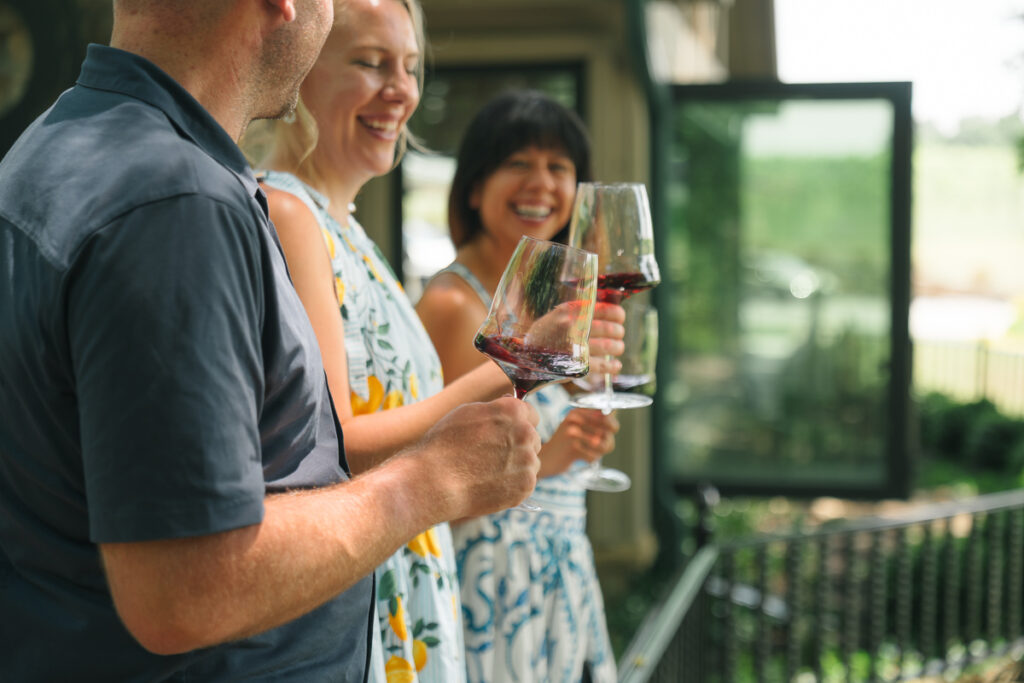
Make the Most of Your Visit
If there’s one piece of advice that matters most, it’s this: don’t rush it.
Luxury wine experiences aren’t about checking a box or collecting photos for social media because the best moments usually happen when you allow yourself to simply be present.
Sit longer than you planned. Take in the view. Order another glass of the wine you can’t stop thinking about. Watch the light move slowly across the vineyard rows as the afternoon changes around you.Because long after the tasting notes fade, those are usually the moments people carry home with them.


