


Sweet Wine vs. Dry Wine: What’s the Difference?
For a lot of people getting into wine for the first time, one of the biggest questions is surprisingly simple: what actually makes a wine sweet or dry?
Some people assume dry wines are stronger. Others think sweet wines contain less alcohol, or that dry simply means bitter. The truth is much simpler than most people expect.
The difference between sweet wine and dry wine comes down to sugar. More specifically, it comes down to how much natural grape sugar remains in the wine after fermentation is complete.
Once people understand that, wine suddenly becomes much less intimidating.
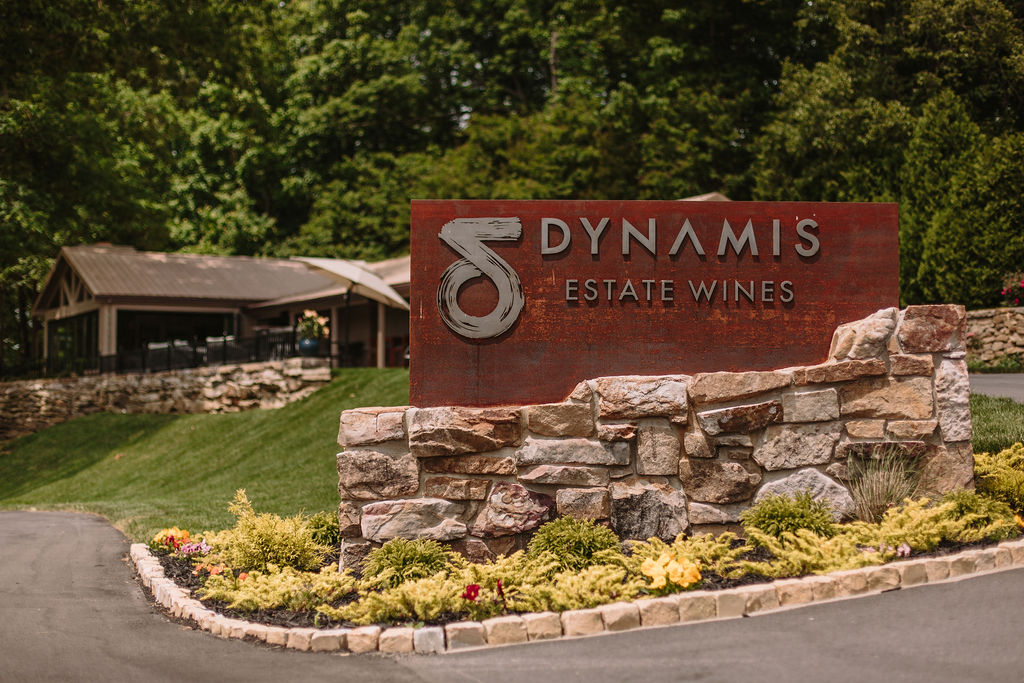
At places like Dynamis Estate Wines, conversations around wine are designed to feel approachable and engaging rather than overly technical. Guests don’t need to arrive knowing wine terminology or tasting theory. They simply need curiosity and a willingness to explore new experiences.
Understanding the difference between sweet and dry wine is one of the easiest and most enjoyable places to start.

What Makes a Wine Sweet?
Before wine becomes wine, it begins as grape juice filled with natural sugars. During fermentation, yeast consumes those sugars and converts them into alcohol.
If fermentation stops before all the sugar is consumed, some natural sweetness remains in the wine. That leftover sugar is called residual sugar. The more residual sugar a wine contains, the sweeter it will taste.
Sweet wines are often described as fruity, rich, juicy, smooth, or dessert-like. Many first-time wine drinkers naturally gravitate toward sweeter wines because they feel approachable and easy to enjoy.
There’s absolutely nothing wrong with that. In fact, sweet wines have been enjoyed for centuries and remain some of the most celebrated wines in the world.
What Makes a Wine Dry?
A dry wine simply means that most or all of the natural sugar was consumed during fermentation.
The wine is not literally dry like sandpaper or chalk. It simply contains very little residual sugar.
Dry wines often allow other characteristics to become more noticeable, including acidity, minerality, tannins, earthiness, structure, and texture. That’s why dry wines can sometimes feel more layered and complex compared to sweeter wines.
At first, some people interpret dryness as bitterness because their palate is no longer focused primarily on sweetness. Over time, many wine drinkers begin appreciating how much detail and nuance dry wines can reveal.
Dry Doesn’t Mean Harsh
This is one of the biggest misconceptions in wine.
A dry wine does not automatically mean aggressive, bitter, or unpleasant. In fact, many beautifully crafted dry wines feel incredibly smooth, balanced, and elegant.
A well-made dry wine can still feel lush, velvety, fruit-forward, soft, and expressive. The goal is balance. At estates like Dynamis, mountain-grown wines often develop vibrant acidity and structure while still maintaining richness and depth of flavor. That balance is part of what makes elevated wine experiences so memorable for many guests.

Why Some Wines Taste Sweeter Than They Actually Are
Wine can sometimes taste sweet even when technically classified as dry.
That’s because our brains naturally associate ripe fruit flavors with sweetness. For example, a dry Cabernet Sauvignon may still remind someone of blackberry jam, ripe cherries, plum, or dark chocolate.
Even though the wine itself contains very little residual sugar, those fruit characteristics can create the impression of sweetness on the palate.
This is one reason wine tasting feels so personal. Two people can taste the same wine and experience it very differently depending on their palate and preferences.
Which Is Better: Sweet or Dry Wine?
Honestly, neither is “better.”
Wine preferences are incredibly personal, and they often evolve over time. Many people begin their wine journey enjoying sweeter styles before gradually becoming curious about drier wines with more structure and complexity. Others continue loving sweeter wines their entire lives.
Both are perfectly valid.
The best wine is the one you genuinely enjoy drinking.
At Dynamis Estate Wines, guests are encouraged to explore wines without feeling pressured to like a particular style simply because someone else says they should. That freedom is part of what makes wine discovery fun.
Food Changes Everything
One of the most surprising things for first-time wine drinkers is how dramatically food can change the experience of a wine.
A dry wine that feels sharp on its own may suddenly feel smoother and more balanced alongside the right meal. Sweet wines can also transform beautifully with food, especially when paired with cheeses, desserts, spicy dishes, fresh fruit, or charcuterie.That interaction between food and wine is one of the reasons tastings at luxury estates feel so immersive. Guests begin understanding wine not simply as a beverage, but as part of a complete sensory experience.
Wine Tastings Help You Discover Your Preferences
Luxury wine experiences don’t have to feel exclusive or unapproachable.
In many ways, the best private tastings feel more human and more connected because they’re intentionally designed around hospitality, storytelling, craftsmanship, and atmosphere. Guests aren’t simply tasting wine. They’re learning about the vineyard, hearing the story behind the bottle, experiencing the landscape where the wines were grown, and discovering how wine can create emotional connection and lasting memories. At the end of the experience, most people remember far more than tasting notes.
They remember the atmosphere, the conversation, the mountain views, the pacing of the afternoon, and the feeling that for a little while, life slowed down enough to truly savor something special.
The Best Wine Conversations Start With Curiosity
The beauty of wine is that there’s always something new to discover.
You don’t need expert knowledge to begin exploring it. You simply need curiosity.
Some people fall in love with bright, fruit-driven wines immediately. Others become fascinated by structured dry reds with layers that slowly unfold over time.
There’s no wrong starting point.
The experience is personal, and often the most memorable wine journeys begin with a simple question:“What’s the difference between sweet wine and dry wine?”


